

Key Takeaways:
- Tree removal impacts urban aesthetics, environmental health, and community well-being.
- Balancing development with tree preservation is crucial for sustainable urban planning.
- Community involvement and strategic policies can mitigate the negative effects of tree removal.
Table of Contents:
- Introduction
- Environmental Impact of Tree Removal
- Aesthetic and Social Consequences
- Balancing Development and Tree Preservation
- Case Studies of Urban Tree Removal
- Community Involvement in Tree Management
- Policy and Legislation
- Conclusion
Introduction
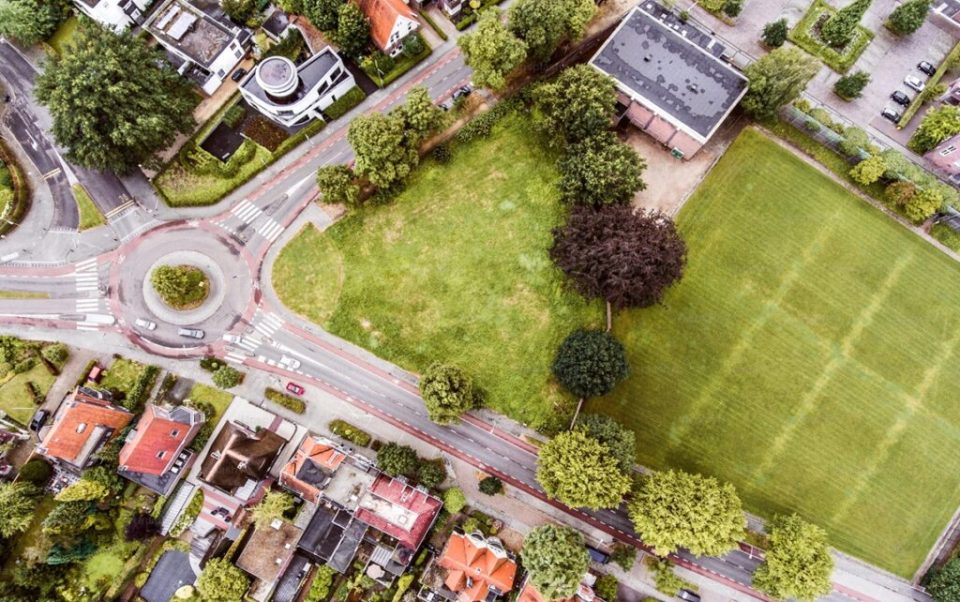
Trees are much more than just part of the scenery in our urban landscapes—they provide vital benefits such as shade, cleaner air, and natural beauty. However, the pressures of urban development, safety concerns, and aging infrastructure often force communities to make difficult choices about removing trees. In places like Nashville, these decisions can have wide-ranging effects on a neighborhood’s character and health. If you want to learn more about tree removal in Nashville, it’s important to understand the environmental and social trade-offs involved.
The process of tree removal doesn’t just alter the visual landscape; it also disrupts the interconnected systems that make neighborhoods vibrant and resilient. Residents, city planners, and business owners must work together to strike the right balance between progress and preservation—a challenge faced by fast-growing cities across the country.
Sometimes, additional services are needed after a tree has been removed to restore your yard’s safety and appearance fully. For example, tree stump grinding is often the next step to reclaim valuable outdoor space and prevent hazards or regrowth issues.
Understanding the implications of tree removal is critical for anyone invested in their neighborhood’s future. By diving deeper into the environmental, social, and policy dimensions of this issue, communities can make informed decisions that benefit both current residents and future generations.
Environmental Impact of Tree Removal
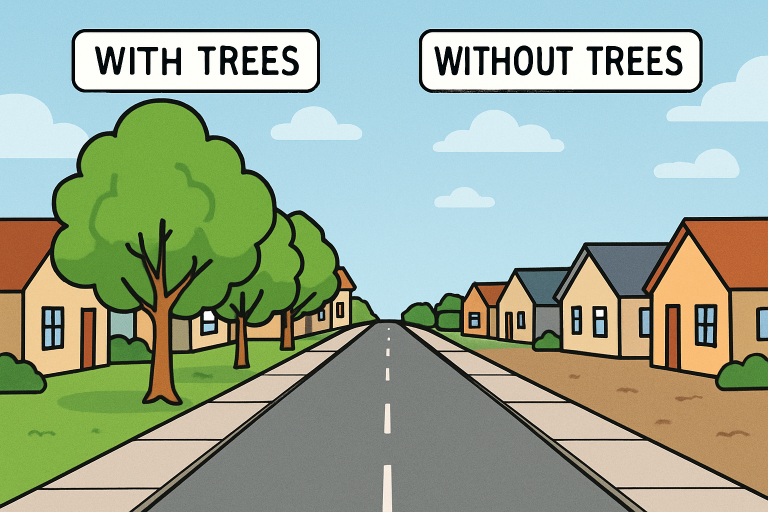
When trees are removed, neighborhoods lose one of their strongest environmental allies. Trees play a pivotal role in improving air quality by filtering pollutants and producing oxygen. Their canopy cools the surrounding air, reducing energy demand for home cooling and mitigating the urban heat island effect. According to the U.S. Environmental Protection Agency, urban areas without adequate tree cover can experience higher temperatures, which, in turn, drive up energy use and worsen air pollution.
Beyond air quality, trees help manage stormwater by absorbing rainfall and slowing runoff. In their absence, cities face increased risks of flooding, erosion, and water pollution as more rainwater flows unchecked into drainage systems and waterways. Tree removal can therefore have long-lasting effects on the resilience of urban neighborhoods to severe weather and climate extremes.
Aesthetic and Social Consequences
A neighborhood’s appearance is often closely tied to its greenery. Streets lined with mature trees are universally valued for their beauty, providing a welcoming atmosphere that boosts property values and encourages outdoor activity. When these trees are removed, the change can be immediate and striking, sometimes leading to reduced neighborhood pride and satisfaction among residents.
The social dynamics of a neighborhood are also affected. Green spaces, including those provided and shaded by trees, serve as gathering spots, fostering connections between neighbors and providing peaceful settings for relaxation. Numerous studies, such as those summarized by the New York Times, show that access to green spaces and trees is linked to lower stress levels, improved mental health, and stronger community ties. Thus, excessive or poorly planned tree removal can undermine a neighborhood’s social fabric.
Balancing Development and Tree Preservation
Urban growth is necessary to accommodate increasing populations and improve local infrastructure, but thoughtful planning is required to prevent unnecessary loss of tree canopy. Strategies can include designing developments around existing trees, incorporating green spaces within new projects, and using innovative landscaping techniques. These approaches not only help maintain vital tree cover but also demonstrate a commitment to long-term environmental health.
Urban Planning Examples
Cities like Seattle have implemented regulations that prioritize preserving significant trees during new construction, requiring developers to incorporate these natural features wherever feasible. Such measures demonstrate that it is possible to accommodate growth while respecting the role of trees in urban ecosystems.
Case Studies of Urban Tree Removal
Decision-making about tree removal varies across cities, often sparking community debate. In Overland Park, Kansas, plans to rebuild and widen aging neighborhood streets necessitated the removal of mature shade trees, eliciting strong emotions from residents committed to preserving their community’s character. In Chicago, protests erupted when the city removed healthy, decades-old trees in the name of infrastructure upgrades, highlighting the deep bonds people form with their urban forests.
Both examples demonstrate that transparency, community dialogue, and clear communications are essential when planning for necessary tree removal, whether for safety reasons, disease management, or urban renewal initiatives.
Community Involvement in Tree Management
When residents are given a voice, tree management often yields better outcomes for all stakeholders. Neighborhood associations, environmental groups, and city agencies can collaborate on tree planting, maintenance, and educational outreach to help communities appreciate and protect their urban forests. In Detroit, groups like The Greening of Detroit organize volunteer events to plant thousands of new trees, regenerate green spaces, and foster community ownership of these efforts.
Even small-scale initiatives, such as citizen-reporting apps for hazardous trees or local fundraising for new plantings, can play a crucial role in building greener, healthier neighborhoods.
Policy and Legislation
Protecting urban trees requires strong, enforceable policies. Many cities now require that trees removed during development projects be replaced either on-site or through payments into reforestation funds—a measure that helps offset canopy loss and ensures future generations will also benefit from a healthy urban forest. Seattle’s updated tree protection code serves as a model, with replacement and mitigation requirements for large tree removal that encourage both developers and homeowners to value green infrastructure.
At the state and federal level, programs like the Tree City USA initiative provide guidance and recognition for municipalities that adopt tree-friendly practices. Such frameworks not only drive compliance but also raise public awareness about the importance of trees in our cities.
Conclusion
Tree removal is a decision that ripples far beyond the immediate site, influencing the environmental quality, visual appeal, and social dynamics of entire neighborhoods. By approaching tree management with care—balancing necessary development with preservation, engaging the community, and adhering to strong policies—cities can ensure their urban forests continue to thrive. These collective efforts are essential for building sustainable, resilient, and welcoming neighborhoods where people and nature coexist in harmony.
