

Modern life is loud.
Not always literally, although sometimes it feels that way too. Notifications buzzing nonstop, traffic everywhere, schedules stacked on top of schedules, and this weird pressure to always be productive even when you’re technically supposed to be relaxing.
Honestly, I think a lot of people have quietly forgotten what it feels like to truly slow down.
That’s probably one reason outdoor hobbies have exploded in popularity over the last few years. People aren’t just hiking, mountain biking, camping, or kayaking because it looks good on social media. They’re doing it because getting outside genuinely makes them feel better.
And not in some vague motivational-poster kind of way.
I mean physically calmer. Mentally clearer. More present.
I’ve seen this firsthand with friends who started spending more weekends outdoors after years of nonstop work stress. The changes weren’t dramatic overnight transformations or anything like that. It was subtler. They slept better. They seemed less irritable. Conversations slowed down. Phones stayed in pockets longer.
It’s almost like outdoor hobbies give people permission to mentally exhale for a while.
Nature Interrupts the Noise
One of the biggest mental health benefits of outdoor activities is surprisingly simple: nature breaks repetitive thought patterns.
When people stay inside constantly – especially while staring at screens all day – the brain never really gets a chance to reset properly. Everything blends together. Work stress follows your home. Home stress follows you to work.
But stepping outside changes your attention naturally.
Your brain starts focusing on movement, weather, terrain, sounds, breathing, and physical surroundings instead of endless internal chatter.
Researchers at Harvard Medical School have written extensively about how time in nature can reduce stress, improve mood, and support overall mental well-being. And honestly, most people who spend time outdoors regularly don’t need a study to confirm it. You can feel the difference pretty quickly.
Even short periods outside seem to help.
Not every outdoor activity needs to become some intense wilderness expedition. Sometimes a quiet trail walk after work is enough to noticeably improve your mood.
Mountain Biking Is Weirdly Therapeutic
This one might sound strange to people who don’t ride.
Mountain biking looks chaotic from the outside. Dirt flying everywhere, steep descents, close calls with trees – not exactly what most people picture when they think about stress relief.
But that’s part of why it works so well mentally.
When you’re riding technical trails, your brain doesn’t really have room to obsess over work emails or tomorrow’s meetings. You’re too focused on the trail itself.
Where to brake.
Where to turn.
How to shift your weight.
That level of concentration creates something very close to mindfulness, even if riders would never describe it that way.
And honestly, the physical exhaustion afterward helps too. A good ride has a way of quieting mental noise because your brain and body both feel fully engaged instead of restless.
It’s also become far easier for people to access trail systems regularly now that better transportation setups exist. Many riders use vertical bike racks to transport multiple bikes efficiently, especially for weekend trips or group rides around New Zealand’s growing mountain biking destinations.
Because let’s be real – the easier outdoor hobbies become logistically, the more often people do them.
Hiking Slows People Down in a Good Way
Hiking feels almost rebellious now.
Not because it’s extreme, but because it forces people to move at a human pace again.
No scrolling.
No multitasking.
No constant stimulation.
Just walking.
And honestly, that simplicity is probably why hiking works so well for stress reduction.
There’s something calming about repetitive movement combined with changing scenery. You notice small things again – wind through trees, changing light, distant sounds, random conversations with strangers on trails.
The team at Mental Health Foundation of New Zealand has discussed how outdoor movement and physical activity can positively impact anxiety, stress levels, and emotional well-being. It’s not really surprising when you think about how disconnected modern routines can become from physical movement and natural environments.
One thing I’ve noticed personally is how hiking conversations feel different too.
People open up more outdoors. Maybe because there’s less pressure when you’re walking side by side instead of sitting face-to-face somewhere formal. Or maybe nature just softens people a little.
Either way, it happens constantly.
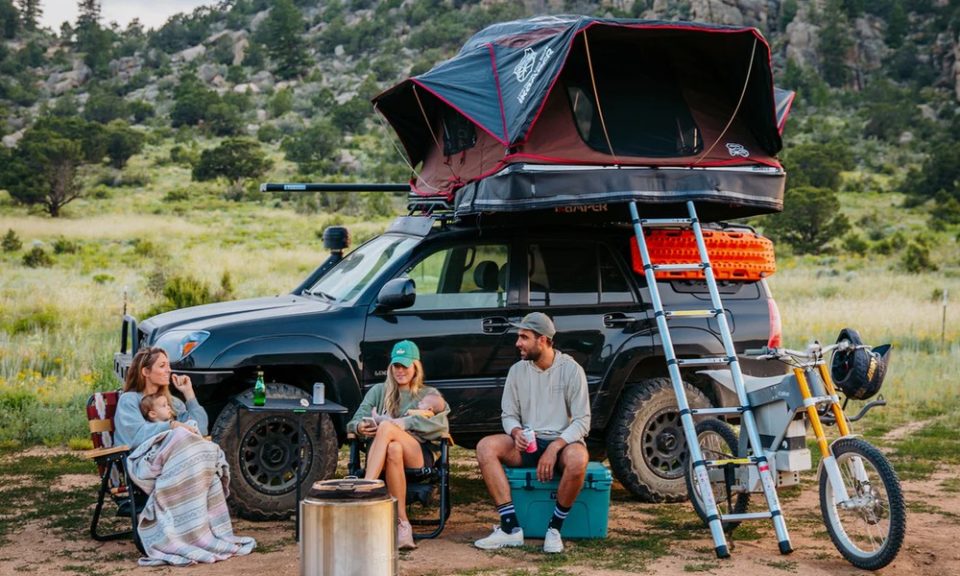
Camping Removes Decision Fatigue
This might sound oddly specific, but camping reduces the number of small decisions your brain has to process constantly.
At home, people make hundreds of tiny choices every day:
- What to watch
- What to wear
- What to order
- Which email to answer first
- Which notification matters
- What needs to get done tomorrow
Camping simplifies life temporarily.
You wake up.
Make coffee.
Cook food.
Explore.
Sit by a fire.
Sleep.
Obviously, there are still tasks involved, but the mental environment feels less cluttered somehow.
And honestly, many people are craving exactly that right now.
Not luxury necessarily. Just simplicity.
Even basic camping trips can create this strange mental reset where everyday stressors suddenly feel smaller or less urgent afterward.
Outdoor Hobbies Create Better Social Connection
This part matters more than people realize.
A lot of modern social interaction happens digitally now, but outdoor hobbies tend to create more meaningful in-person experiences naturally.
Think about it:
- Group rides
- Camping weekends
- Hiking meetups
- Surf trips
- Fishing trips
These activities create shared experiences without requiring constant conversation or social performance.
That’s important because genuine connection is one of the strongest protective factors for mental health overall.
And honestly, outdoor communities often feel less transactional than many other social environments. People bond over experiences rather than status or productivity.
You help someone fix a flat tire on a trail, share snacks at a campsite, or spend hours hiking together – those interactions tend to feel more real somehow.
Physical Exhaustion Helps Mental Recovery
There’s also a very practical reason outdoor hobbies improve mental health:
People are physically exhausted afterward.
In a good way.
Modern stress is often mentally exhausting without being physically draining. You sit all day, stare at screens, absorb stress constantly, but your body never really gets an outlet for that tension.
Outdoor hobbies reconnect physical exertion with mental recovery.
And honestly, sleep quality alone improves dramatically for many people once they start spending more time outdoors regularly.
Fresh air, sunlight exposure, movement, reduced screen time – it all stacks together.
Organizations like Mayo Clinic have repeatedly highlighted the connection between exercise, outdoor activity, and improved mental health outcomes. The science is fairly overwhelming at this point.
But again, most outdoor enthusiasts already know this instinctively.
You Don’t Have to Become an Extreme Adventurer
This part is important because social media sometimes makes outdoor hobbies feel intimidating.
Not everyone needs to summit massive mountains or spend weeks off grid in remote wilderness.
You can benefit from outdoor activities without turning them into an entire identity.
Simple things count:
- Evening walks
- Casual bike rides
- Local hiking trails
- Beach visits
- Weekend camping
- Fishing trips
- Paddleboarding
Honestly, consistency matters more than intensity.
The goal isn’t becoming the most adventurous person you know. It’s creating space for your brain to breathe a little.
Outdoor Time Feels Increasingly Necessary
I think this is why outdoor hobbies continue growing so rapidly, especially in places like New Zealand where nature is so accessible.
People are realizing outdoor time isn’t just entertainment anymore.
It’s maintenance.
Mental maintenance.
Emotional maintenance.
Sometimes even relational maintenance.
Because when life becomes overloaded and overstimulated, nature has this weird ability to recalibrate people a little.
Not perfectly. Not permanently. But enough.
Enough to think more clearly.
Enough to feel calmer.
Enough to remember that there’s still an entire world existing outside emails, deadlines, and endless scrolling.
And honestly, that reset probably matters now more than ever.
