

Key Takeaways
- Homebuyers prioritize eco-friendly features and energy efficiency.
- Technological tools like virtual tours and AI are integral to the homebuying process.
- Flexible living spaces and smart home technology are in high demand.
- Co-buying among friends and family is becoming more common.
- Outdoor living spaces and community connectivity are significant factors in purchasing decisions.
Today’s homebuyers are reshaping the real estate landscape, bringing new priorities and expectations that influence how homes are built, marketed, and sold. This evolution reflects a blend of technological advancements, sustainability concerns, and changing lifestyle preferences. Brentwood real estate experts The Milam Group, with over 20 years of experience in Williamson and Davidson Counties, have observed these shifts firsthand. Their deep industry expertise and strong local connections position them as authorities in understanding and adapting to these emerging trends.
Embracing Sustainability and Efficiency
Modern buyers are increasingly prioritizing homes that use sustainable materials and energy-efficient systems, as evidenced by a nearly 290% rise in listings featuring WaterSense fixtures that cut water use by at least 20%. The growing demand has led homebuyers to inquire about the long-term environmental impacts of their residences, particularly regarding solar energy, high-efficiency HVAC systems, and insulation. In response, developers are creating properties that include features like rainwater harvesting and permeable paving, while minimizing construction waste. Communities with LEED-certified homes and those supporting green initiatives are gaining traction. As energy costs escalate and climate awareness grows, both builders and homeowners recognize sustainable upgrades as environmentally responsible and financially beneficial in the long run.
Leveraging Technology in Home Searches
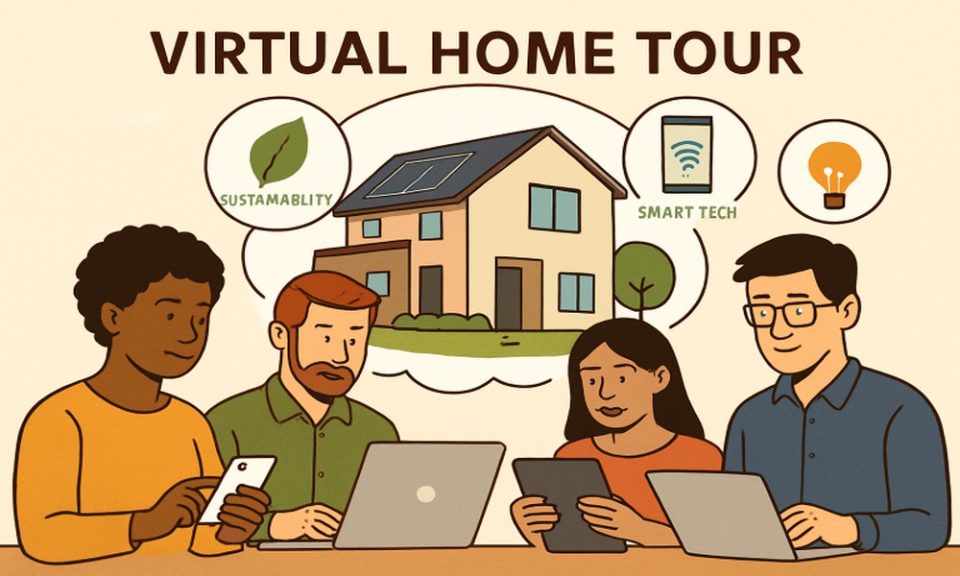
The digital revolution has transformed how buyers search for homes. Virtual tours and 3D walkthroughs allow prospective homeowners to explore properties remotely, saving time and broadening their options. AI-powered tools also help estimate home values and predict market trends, making the buying process more informed and efficient.
Technology’s influence doesn’t stop at property searches; it extends throughout the transaction process, bringing unprecedented transparency. From digital document signing to online home loan prequalification and automated scheduling, technology has streamlined the process from viewing to closing. In many markets, augmented reality apps now let individuals envision renovations before purchase, while data dashboards provide continuous updates on neighborhood safety, school rankings, and commute times. This blend of innovation has made the experience smoother, more transparent, and less stressful, especially for first-time buyers.
Demand for Flexible and Smart Living Spaces
There’s a growing demand for homes that offer adaptable spaces to accommodate various needs, such as home offices or multi-generational living. Smart home technologies, including automated lighting and security systems, are also highly sought after, enhancing convenience and energy management.
The global shift toward remote and hybrid work has accelerated the transformation of home layouts. Buyers are looking for floor plans that allow easy reconfiguration, with flex rooms, moveable partitions, or soundproofed nooks for video conferencing. Enhanced storage solutions, built-in desks, and separate dwelling units for extended family or rental income are being prioritized. Meanwhile, integrated smart-home ecosystems-encompassing climate control, automated blinds, voice-activated responses, and advanced home security-are becoming standard asks for tech-savvy buyers who want their homes to adapt readily to every phase of life.
The Rise of Co-Buying
With rising housing costs, co-buying arrangements among friends or family are on the rise, allowing individuals to pool resources to achieve more affordable homeownership. These agreements, previously seen as unconventional, are now gaining acceptance from lenders and real estate professionals who are creating new products and legal frameworks for joint ownership. By sharing down payments and monthly expenses, buyers can enhance their purchasing power and access the neighborhoods they want. This trend is not exclusive to young families; many older adults are also exploring co-buying as a way to affordably downsize, maintain social connections, and share home maintenance responsibilities.
Outdoor Spaces and Community Connectivity
Buyers are placing greater emphasis on outdoor living areas and proximity to community amenities. Features like backyards, rooftop terraces, and access to parks are becoming key factors in purchasing decisions, reflecting a desire for a balanced lifestyle that integrates nature and social interaction.
Homes with established gardens, space for outdoor kitchens, or even small balconies are in high demand. The importance of neighborhood walkability and access to local retail, dining, and schools has also grown, as homeowners seek vibrant, interconnected communities. There’s an increasing appreciation for master-planned communities that offer playgrounds, fitness trails, pools, and gathering spaces. This trend reveals that, for many buyers, a home is more than its four walls-it’s also a gateway to a thriving, supportive neighborhood experience.
Expanded Role of the Real Estate Agent
As clients’ priorities shift, real estate pros are broadening their skills to offer comprehensive service. Agents now serve as advisors on green upgrades, home tech, and co-ownership details. Top teams like The Milam Group create tailored experiences with local insights, trusted contractor recommendations, and virtual consultations for out-of-town buyers. They also educate clients on incentives like energy-efficient mortgages, tax credits, and local grants, while preparing them for multiple-offer situations, negotiating, and fostering community connections post-sale. This expanded role helps clients make confident, future-ready investments.
Conclusion
The real estate market is adapting to the preferences of modern homebuyers who prioritize sustainability, technology, flexibility, and community. It is crucial for industry professionals to comprehend these trends to effectively address both current and future homeowner needs. The rapid pace of change requires industry leaders to be proactive and adaptable. By listening to buyers, embracing innovation, and acknowledging diverse needs, they can better assist clients in achieving their homeownership goals during this transformative period. As buyers’ expectations rise, the entire real estate ecosystem is evolving to create more sustainable, interconnected, and enriching living environments.
