

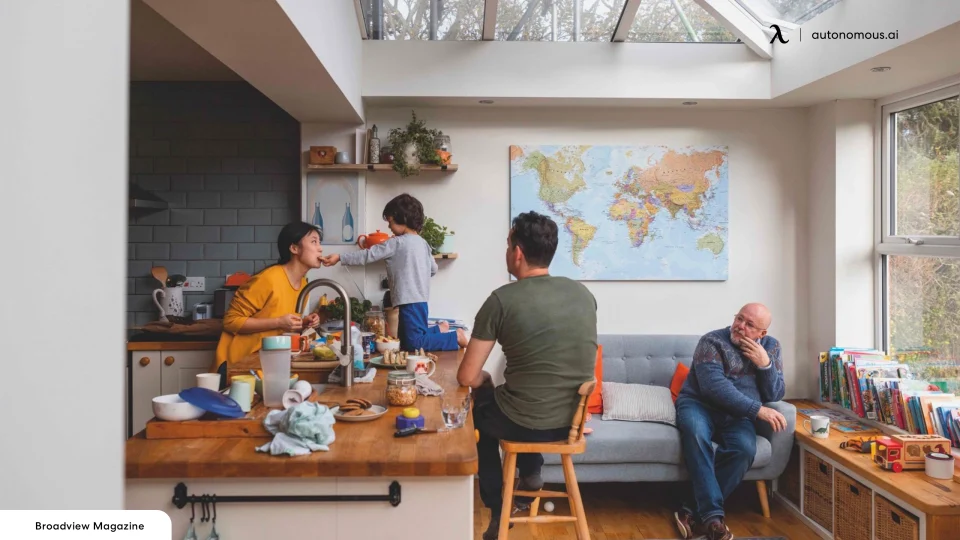
In recent years, multigenerational living has seen a resurgence as families recognize the benefits of sharing a home with multiple generations under one roof. The traditional model of separate households is being replaced by a desire for stronger family bonds and mutual support. In this blog post, we’ll explore the advantages of multigenerational living and how it can foster deep connections across different age groups.
- Sharing Life’s Ups and Downs
One of the most significant advantages of multigenerational living is the ability to share life’s ups and downs with your loved ones. Whether it’s celebrating a milestone, overcoming a challenge, or simply sharing day-to-day experiences, living together provides opportunities for emotional support and genuine connection.
Younger family members can learn from the wisdom and life experiences of older generations. In turn, seniors can enjoy the vibrancy, energy, and fresh perspectives that younger family members bring to the household. This exchange of knowledge and understanding enriches the lives of all involved.
- Economic Benefits
Multigenerational living can offer financial relief for families. With the rising cost of housing, pooling resources and sharing expenses for a single home can lead to significant savings. For seniors on a fixed income or younger adults just starting their careers, this financial support can be a game-changer.
Moreover, sharing household chores and responsibilities can reduce the need for outside services, leading to more economical and efficient management of the home.
- Childcare and Eldercare
Multigenerational living can be especially beneficial for families with young children and aging parents. Grandparents can help with childcare, providing a strong support system for working parents. On the other hand, younger adults can offer assistance with caregiving for aging family members. This arrangement alleviates some of the stress associated with balancing work, family, and care responsibilities.
- Stronger Family Bonds
Living under one roof fosters stronger family bonds. Daily interactions, shared meals, and family activities create a sense of togetherness that’s hard to replicate when family members live in separate households. The bonds formed during multigenerational living can last a lifetime and create cherished memories.
- Cultural and Traditions Preservation
Multigenerational living can be a powerful way to preserve cultural traditions and heritage. It provides an opportunity for the passing down of family stories, customs, and values. Younger generations can learn about their cultural heritage from their elders, keeping traditions alive for years to come.
- Emotional Support
The emotional support that comes with multigenerational living cannot be overstated. Whether it’s providing comfort during a difficult time, sharing joy and laughter, or simply having someone to talk to, knowing that family members are always there can significantly improve mental and emotional well-being.
- Mutual Caregiving
In multigenerational households, caregiving responsibilities are often shared among family members. This creates a safety net for everyone, as care can be provided by multiple family members, reducing the burden on any single individual. It ensures that everyone is taken care of and that caregiving responsibilities do not fall disproportionately on one person’s shoulders.
Challenges of Multigenerational Living
For multigenerational households in Park City, UT, elevators for homes can be a valuable addition, enhancing accessibility for senior family members and adding convenience for all. These modern, stylish, and safe home elevators can help maintain the independence of older residents and allow effortless movement between floors. Furthermore, incorporating an elevator in your home can also boost the property’s value, making it a smart investment for homeowners in Park City, UT.
Tips for Successful Multigenerational Living
- Open Communication: Encourage open and honest communication among family members. Create a safe space for discussing concerns, sharing feelings, and finding solutions to challenges.
- Establish Boundaries: Respect each other’s personal space and boundaries. Designate private areas within the home where individuals can retreat for privacy when needed.
- Shared Responsibilities: Create a system for sharing household chores, caregiving duties, and other responsibilities. A shared calendar or task board can help keep everyone informed.
- Family Meetings: Hold regular family meetings to discuss important decisions, address concerns, and keep everyone informed about family matters.
- Respect Differences: Understand that each generation may have different lifestyles, perspectives, and values. Respect these differences and celebrate the diversity they bring to the family.
- Celebrate Together: Create family traditions and rituals that everyone can participate in. These shared experiences can foster a sense of unity and strengthen family bonds.
Multigenerational living is a unique opportunity to build strong bonds across generations. It provides emotional support, financial advantages, and an environment for sharing life’s experiences. While it comes with challenges, open communication, respect for boundaries, and a commitment to working together can help overcome these obstacles. Ultimately, the rewards of multigenerational living are rich and enduring, creating a sense of togetherness that can last a lifetime.
