

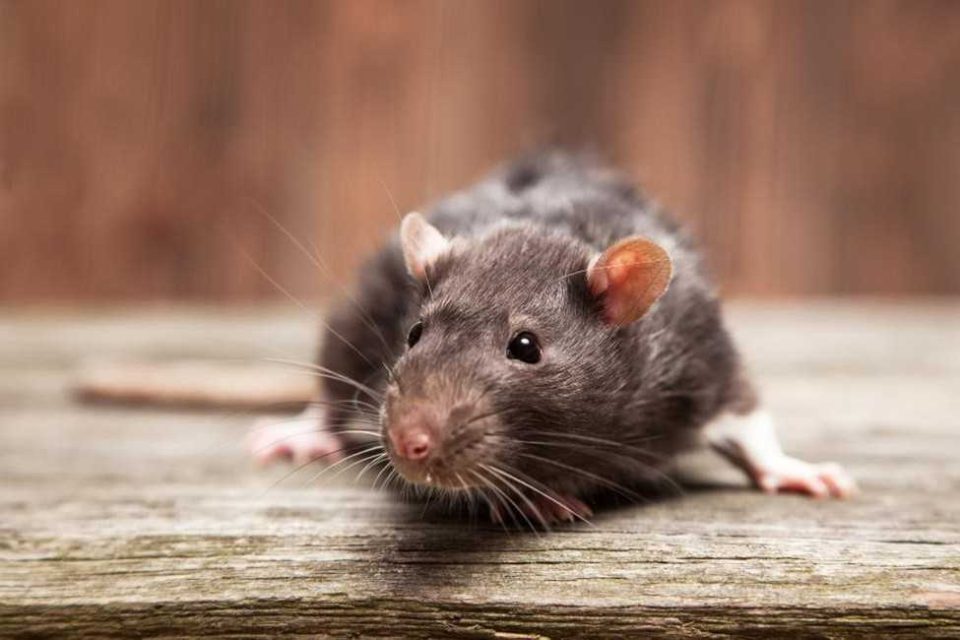
Rodents are a common problem in Kent, WA, especially during cooler months. They can hide inn attics and basements due to the quietness of these spaces and access to food or nesting materials. Sadly, rodents that have successfully gained entry to these spaces will reproduce quickly and can damage insulation, wiring, and stored items. This makes prevention an important consideration for homeowners. Kent exterminators can help homeowners address an active infestation and prevent pests from invading homes. Saela Pest Control professionals know why attics and basements are the ideal spots for pets. That is why inspections usually include these spaces. They offer the following tips for homeowners:
Inspect Entry Points Thoroughly
Rodents can squeeze through gaps as small as a quarter of an inch. Entry in attics can happen through roof vents, damaged soffits, chimneys, or gaps around pipes and cables. Basements are vulnerable along the foundation, near windows, vents, or where utility lines enter the home.
A detailed inspection identifies cracks, holes, and weak points. Homeowners should seal gaps with rodent-resistant materials such as steel mesh, hardware cloth, or concrete. They should pay attention to areas near the roofline, around plumbing penetrations, and along foundation edges.
Seal Attic Access Points
Attic access hatches, pull-down stairs, and ladder doors are common entry points. Even small gaps around the frame allow rodents to slip inside. Ensure the attic hatch fits snugly and consider adding weatherstripping around the edges. Inspect hinges and sides for gaps in pull-down stairs. Roof vents and chimneys must also be focused on. Install metal screens over vents and chimney openings to prevent rodents from entering without affecting airflow.
Maintain Basement Integrity
Basements can have multiple points of entry due to their proximity to the ground. Rodents can access these spaces through cracks in the foundation, gaps around windows, and openings around utility lines.
Use hydraulic cement or masonry caulk to seal foundation cracks. Ensure window wells are covered with sturdy grates. Also, gaps around pipes or electrical conduits must be filled with steel mesh or caulk.
Reduce Attractants Inside
Stored pantry items, pet food, or spilled grains in basements can attract rodents. Attics with stored cardboard, paper, or fabric provide perfect nesting material.
To make the basement and attic less appealing to these pests, store items in plastic bins with tight-fitting lids. Also, keep pet food in sealed containers and clean up crumbs or spills promptly.
Control Moisture Levels
Basements with leaks, condensation, or standing water can attract rodents. Attics with roof leaks or poor ventilation also create moisture-prone areas. So, fix plumbing leaks immediately, improve ventilation, and use dehumidifiers where needed. Ensure the roof and attic are properly sealed and gutters direct water away from the home.
Trim Landscaping and Exterior Barriers
Vegetation and clutter near the home provide cover for rodents. Trees, shrubs, and climbing plants that touch the roof or walls act as pathways into the attic. Dense plants near basement windows or vents give rodents easy shelter before entering.
Trim branches away from the roofline and walls. Keep shrubs and ground cover a few feet away from the foundation. Also, clear debris such as woodpiles, leaves, or storage near the home to remove potential hiding spots.
Install Rodent-Proof Barriers
Hardware cloth, steel mesh, and metal flashing are essential for securing openings. These materials should be used to cover vents, crawl space entries, and gaps around pipes or cables. Basement windows and attic vents benefit from screens or grates designed to prevent rodent entry.
Ensure Regular Monitoring and Early Detection
Monitor attics and basements to catch issues early. Look for droppings, gnaw marks, shredded insulation, or tracks along walls. Routine checks allow you to take action quickly, seal new gaps, or remove attractants.
