

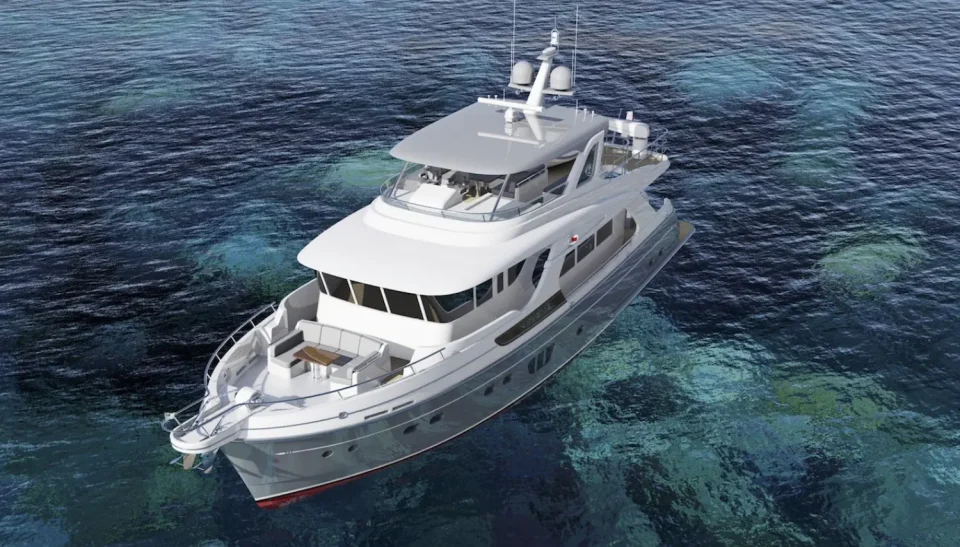
In a world where speed often takes precedence over the journey itself, there’s something timeless and meditative about long ocean voyages. Unlike flights that whisk you across continents in mere hours, a cruise allows for a slower, richer form of travel. These voyages give passengers the rare opportunity to unplug, reflect, and connect—with the sea, with fellow travelers, and with themselves.
One of the most profound pleasures of a long cruise is the rhythm it establishes. The first few days may feel disorienting, especially for those used to tightly packed itineraries. But eventually, you begin to adapt to the gentle sway of the ship and the unhurried pace of life at sea. Mornings blend into afternoons, marked not by the buzz of emails or meetings, but by sunrise on the water and the quiet rustle of pages turning on a sun deck.
Long cruises, particularly those spanning a week or more, such as Transatlantic crossings, offer a distinctive kind of serenity. With several days at sea between ports, there’s time to truly settle into the moment. You’re not constantly on the move, rushing from one city to the next. Instead, you’re gliding across vast stretches of ocean, the ship becoming your floating sanctuary.
To fully embrace the rhythm of such a voyage, it helps to let go of the mindset that every hour needs to be “productive.” On land, this is often the default. Onboard, time takes on a different character. You may find yourself lingering over a cup of coffee for no other reason than the view. Or taking a nap in the middle of the day, lulled to sleep by the ship’s motion. These simple acts, unhurried and undemanding, are the essence of life at sea.
That said, cruises aren’t about doing nothing—unless you want them to be. Most ships offer a wide range of activities, and long voyages provide the chance to explore them at your leisure. From enrichment lectures and cooking classes to wine tastings and wellness seminars, there’s no shortage of opportunities to learn something new. Participating in these activities isn’t just a way to pass time—it can also anchor your day, giving you small moments of structure without breaking the overall calm.
Social life on long cruises tends to be more meaningful as well. When you’re with the same group of passengers over an extended period, there’s time to form genuine connections. Meals become opportunities for deep conversation. Group excursions can lead to lasting friendships. Even casual encounters, like sharing a table at breakfast or attending the same trivia game multiple times, can blossom into something more than just fleeting interactions.
There’s also a unique kind of intimacy that develops between passengers and crew on long voyages. Staff begin to recognize your preferences—your favorite drink at the bar, your choice of deck chair, how you like your eggs in the morning. This personal attention contributes to a strong sense of comfort and belonging, making the ship feel less like a hotel and more like a community.
Reading and writing often find new life on long cruises. Without the usual distractions, many passengers rediscover the joy of immersive storytelling. Whether it’s curling up with a classic novel or journaling in a quiet corner of the ship, the ocean provides the perfect backdrop for literary pursuits. Some travelers even use this time to start—or finish—that book they’ve always dreamed of writing.
Another major draw of long ocean voyages is the transition itself—the slow, graceful movement from one part of the world to another. This is especially pronounced on itineraries that span continents. For example, a Transatlantic cruise lets you feel the true distance between Europe and the Americas, a sensation you simply don’t get from a seven-hour flight. Each passing day at sea brings subtle shifts: in temperature, in the hue of the water, in the species of birds overhead. By the time you arrive, it feels as though you’ve earned the destination.
Of course, embracing the rhythm of long cruises isn’t without its challenges. Sea days can be introspective, even confronting. With fewer distractions, you might find yourself reflecting more deeply than usual. But that’s part of the gift. The open ocean has long been a place of contemplation. The very vastness of it invites inward exploration.
It also helps to pack with the voyage in mind. Comfortable clothing, books, hobbies, and personal rituals can all help you settle into the pace of shipboard life. Some travelers bring knitting or sketchpads; others bring puzzles or journals. The idea is to cultivate a set of personal pleasures that feel expansive and indulgent, not rushed or obligatory.
As the days roll by, you’ll likely begin to feel time shift. Mornings stretch out. Evenings are slower. Meals become events. And gradually, something remarkable happens: the present moment expands. You’re not thinking so much about what comes next. You’re simply being—present, attuned, and grateful.
When the voyage ends, and you return to the whirring pace of modern life, the memory of that rhythm stays with you. It lingers in small ways—in how you take your morning coffee, how you pause to watch the sky, how you allow yourself time. Long ocean cruises don’t just take you across the sea—they bring you back to yourself.
In a world that often glorifies urgency, embracing the rhythm of the sea is a quiet act of rebellion. It’s also an invitation—to slow down, to listen, and to live fully in the moment. Whether you’re crossing oceans or simply cruising along a familiar coastline, that rhythm is always there, waiting for you to fall into step.
