

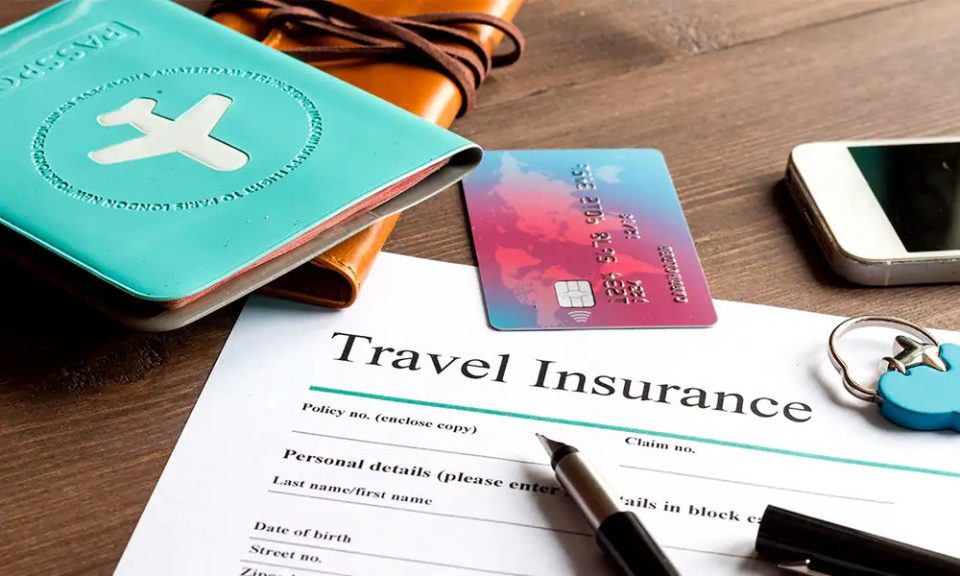
Yes, you can safely buy travel insurance online without getting ripped off if you compare coverage before price, read policy exclusions, check claim support, and match the plan to your trip. The cheapest policy is not always the safest one. Two plans can look nearly identical on a mobile screen, yet one may offer weak international trip coverage or a low sum insured when a claim actually happens.Think of an Indian family booking a Singapore holiday: one plan is cheaper by ₹300, but it may cap hospitalisation, skip trip cancellation protection, or offer poor baggage loss cover. That small saving can become a big out-of-pocket cost during a medical emergency abroad.
Buy the policy that fits your trip, not the one with the lowest premium.
This guide will help you compare plans clearly and buy holiday insurance online with fewer nasty surprises.
Start here: compare coverage first, not just the premium
The cheapest policy is often the worst deal because a low premium can hide weak cover where claims usually happen.Start by comparing the parts that matter in a real emergency, not just the final price. If an Indian family is flying to Thailand or Europe, a medical emergency abroad can cost far more than the ticket itself, so check the sum insured, emergency evacuation, and whether the insurer offers cashless hospital access.Use this quick filter:
- Medical cover: hospitalisation, doctor visits, evacuation
- Trip cancellation protection: illness, visa delay, airline disruption
- Baggage loss cover: delayed, lost, or damaged bags
- Passport loss: help with replacement expenses
- Personal liability: accidental damage or injury caused to others
- Claim support: 24×7 helpline, simple documents, clear turnaround time
Two plans may look similar, but one may cap baggage at a very low amount or bury strict policy exclusions in the wording. Before you buy holiday insurance online, read insurer policy wordings and claim steps on mobile, because clarity at claim time matters as much as price.
What good travel insurance should actually cover
Once you stop looking at premium alone, the next step is understanding what a solid policy should actually include.A good travel insurance policy for an international holiday should pay for major medical costs, protect your trip money, and give fast help when something goes wrong abroad. That means cover for a medical emergency abroad, hospitalisation after an accident, emergency evacuation if needed, and support for doctor referrals through a 24×7 assistance line.It should also include baggage loss cover, passport or document loss help, missed or delayed flight benefits, and trip cancellation protection if illness, visa issues, or family emergencies force a change. For an Indian family flying to Thailand or Europe, that can be the difference between a manageable claim and a sudden ₹2 lakh hit.A low premium may still fail you if international trip coverage is thin or the hospital network is weak. Always read insurer policy wordings, policy exclusions, and IRDAI-regulated policy information before paying.
The hidden traps that make cheap policies expensive later
Even when a policy seems to cover the basics, the real trouble usually sits in the exclusions and sub-limits.Most people get ripped off not by scams, but by buying a cheap policy that excludes the claim they later need. Low premiums often hide strict policy exclusions, tight sub-limits, and claim rules that only become visible after payment or when you open the full wording.Common traps are easy to miss on mobile checkout screens:
- pre-existing diseases not covered
- adventure sports excluded
- alcohol-related incidents rejected
- unattended baggage claims denied
- short claim filing windows
- low caps on outpatient care, baggage delay, or dental treatment
An Indian couple booking a budget Europe holiday may choose the lowest-priced travel insurance plan in five minutes, thinking all plans are similar. Later, when a checked bag arrives 20 hours late, they find baggage loss cover only starts after a longer delay, and a clinic visit is reimbursed only up to a tiny outpatient limit.Always check benefits, sub-limits, and exclusions before you pay.
How to buy holiday insurance online safely in 7 quick checks
After you’ve compared cover and watched for hidden traps, use this final buying checklist before payment.If you are ready to buy, run these seven checks before payment when you buy holiday insurance online.
- Confirm the destination is covered, including transit countries if needed.
- Check exact trip start and end dates; one wrong date can break claims.
- Verify traveller names, passport spellings, and ages.
- Declare pre-existing diseases honestly; PED mistakes often lead to rejection.
- Check adventure, cruise, winter sports, or senior cover if relevant.
- Save claim contact options: phone, email, app, and 24×7 emergency help.
- Review insurer reputation, claim support, and full policy wording access before paying.
For example, an Indian family flying to Thailand may compare two cheap plans on mobile, but one may exclude older parents or water activities. A two-minute check now reduces disputes later and helps you buy with confidence.
But wait: is buying online riskier than buying through an agent?
A common worry is whether online buying is somehow less safe than buying through an agent. In most cases, it isn’t.Not necessarily-buying online can be safer and more transparent if you read the policy wording and choose a credible insurer or official source. When you buy holiday insurance online, you can compare benefits, policy exclusions, claim limits, and add-ons on your phone instead of relying only on a verbal explanation.Agents can still help, especially when options feel confusing. But online buying gives you direct access to brochures, certificates, and destination rules, which reduces mis-selling risk.A family booking a Europe trip may manage fine online. If it’s your first overseas trip, you’re insuring elderly parents, or there’s a medical history, extra guidance may be worth it.
What to do next: pick the right plan for your trip type
So what should you do now? Narrow the choice before you buy.Shortlist three plans now: one that fits your destination, one that fits the traveller, and one that fits your budget, then compare only those. This cuts noise and helps you buy holiday insurance online without chasing the lowest price.
- Solo traveller: medical emergency abroad and trip delay support
- Family holiday: child cover, baggage loss cover, and decent sum insured
- Student visit: longer stay cover and destination rules
- Senior traveller: age limits, pre-existing condition terms, and policy exclusions
Think of an Indian family flying to Thailand: the cheapest plan may look fine until you see weak trip cancellation protection.
Conclusion
Buying online is safe when you judge the policy, not just the price. Good travel insurance means strong cover, clear policy exclusions, reachable claim support, and documents you can actually use fast during a medical or trip problem.Before you pay, do one last check:
- sum insured
- exclusions
- claim process
- emergency contact
- destination rules
That final two-minute review helps you travel with fewer surprises and more confidence.
